

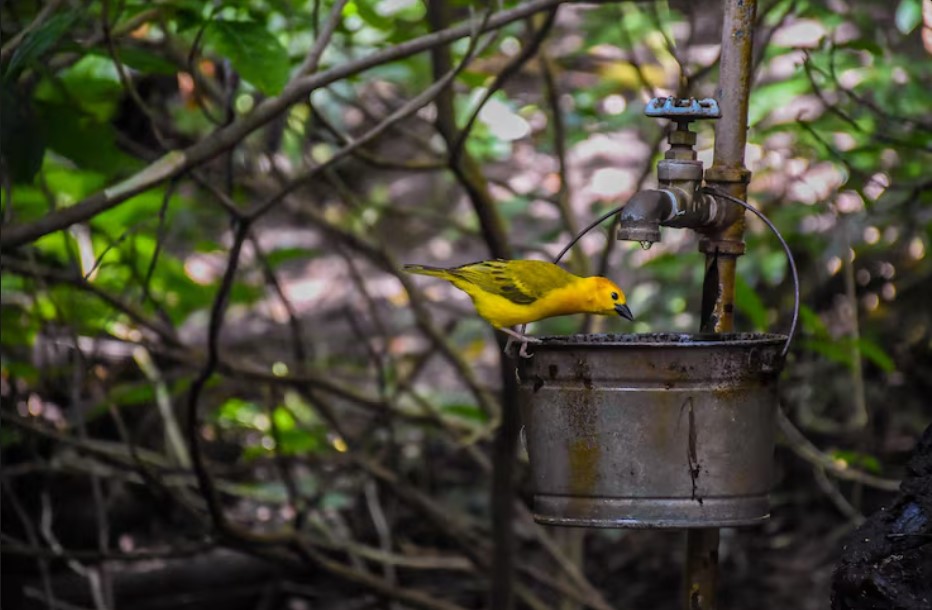
Fresh water is just as important as food for bird health. Whether you care for pet birds or attract wild birds to your backyard, providing clean drinking water should always be a priority. A properly maintained bird water feeder helps birds stay hydrated while reducing the risk of contamination and disease.
Many bird owners focus heavily on food but overlook water quality. Dirty water can quickly become a breeding ground for bacteria, algae, and other harmful organisms. Regular cleaning and proper maintenance can help create a safer environment for visiting birds.
This article explains practical ways to maintain a bird water feeder and keep drinking water clean throughout the year.
Why Clean Water Matters for Birds
Birds rely on water for more than drinking. They also use it for bathing and grooming.
Clean water helps support:
-
Proper hydration
-
Healthy feather condition
-
Body temperature regulation
-
Daily activity levels
-
Overall health
Contaminated water may expose birds to harmful microorganisms. This is why routine maintenance should be part of every bird care routine.
A clean water source encourages birds to return regularly and use the feeder safely.
Understanding Bird Water Feeders
A bird water feeder is designed to provide a steady supply of fresh drinking water. These feeders come in several styles and sizes to suit different environments.
Popular options include:
-
Hanging water feeders
-
Gravity-fed water dispensers
-
Automatic water systems
-
Outdoor reservoir feeders
Some bird owners also use a water bird feeder alongside traditional seed feeders to create a complete feeding station.
Regardless of design, every feeder requires regular cleaning to remain safe.
Daily Maintenance Tips
Simple daily habits can make a big difference in water quality.
Replace Water Frequently
Fresh water should be added regularly, especially during hot weather.
Standing water can collect dirt, feathers, and droppings. Replacing water helps reduce contamination.
Check for Debris
Inspect the feeder daily.
Remove:
-
Leaves
-
Dust
-
Bird feathers
-
Insects
-
Food particles
Keeping debris out of the feeder helps maintain cleaner water.
Monitor Water Levels
Birds need reliable access to drinking water.
Refill the bird feeder before it runs empty, especially during summer when evaporation occurs quickly.
Weekly Deep Cleaning Practices
Even when water is changed regularly, feeders still require thorough cleaning.
Empty the Feeder Completely
Remove all remaining water before cleaning.
This helps eliminate contaminants that may collect in hidden areas.
Scrub Interior Surfaces
Use a brush to clean all interior surfaces.
Pay attention to:
-
Reservoirs
-
Corners
-
Drinking ports
-
Water trays
These areas often collect buildup that may not be visible at first glance.
Rinse Thoroughly
After cleaning, rinse the feeder completely with fresh water.
Any remaining cleaning residue can affect water quality and should be removed before refilling.
Inspect for Damage
Check the feeder for:
-
Cracks
-
Leaks
-
Loose components
-
Worn seals
Damaged feeders may become harder to clean and can allow contaminants to accumulate.
Proper Placement for Cleaner Water
Location affects how clean the water stays.
Place your water bird feeder in an area that offers:
-
Partial shade
-
Protection from falling debris
-
Easy access for cleaning
-
Good visibility for birds
Direct sunlight can encourage algae growth and cause water temperatures to rise quickly.
Avoid placing feeders directly beneath trees where leaves and droppings may enter the water.
A well-positioned feeder generally stays cleaner for longer periods.
Seasonal Maintenance Considerations
Different seasons create different maintenance challenges.
Summer
Hot weather increases evaporation and algae growth.
During warm months:
-
Replace water more often.
-
Clean feeders frequently.
-
Monitor water levels daily.
Autumn
Falling leaves can contaminate water supplies.
Remove debris regularly to keep water clean.
Winter
Cold temperatures may affect water availability.
Inspect feeders often and ensure birds can still access drinking water.
Seasonal adjustments help maintain a reliable water source year-round.
Are Bird Feeders Good for Birds?
Many people ask, are bird feeders good for birds?
The answer is generally yes when feeders are maintained properly.
Feeders can help provide:
-
Supplemental nutrition
-
Reliable hydration
-
Support during harsh weather
-
Additional resources during migration periods
However, poorly maintained feeders can increase the risk of contamination.
The same principle applies to water systems. A clean bird water feeder benefits birds, while a neglected one may create health concerns.
Regular cleaning is the key to making feeders a positive resource.
Choosing the Right Bird Waterer
Selecting a quality bird waterer can simplify maintenance and improve cleanliness.
Look for features such as:
-
Easy-to-clean design
-
Durable materials
-
Stable construction
-
Protected water reservoirs
-
Simple refill systems
Quality products often require less maintenance and provide a safer drinking environment.
The right bird waterer should match the number of birds you expect to serve and the conditions in your area.
Keep Your Bird Water Feeder Clean and Ready for Use
Clean water plays a major role in bird health. Regular maintenance helps your bird water feeder provide safe hydration while reducing contamination risks. Whether you use a backyard water bird feeder or a dedicated bird waterer for pet birds, consistent cleaning and proper placement make a noticeable difference.
Inspect your current setup today. Replace damaged equipment, refresh water regularly, and choose quality products designed for easy maintenance. A cleaner water source helps create a healthier environment that birds can depend on every day.
Frequently Asked Questions
1. How often should I clean a bird water feeder?
Water should be refreshed regularly, and the feeder should be thoroughly cleaned at least once each week.
2. Why does algae grow in my water bird feeder?
Algae often develop when water sits in direct sunlight for long periods. Placing feeders in partial shade can help reduce growth.
3. Are bird feeders good for birds?
Yes. Properly maintained feeders can provide valuable food and water resources while supporting bird health and activity.
4. What should I look for in a bird waterer?
Choose a bird waterer that is durable, easy to clean, stable, and designed to protect water from contamination.
5. Where should I place a bird water feeder?
Place it in a partially shaded location away from heavy debris, while keeping it accessible for routine cleaning and refilling.